The Induction Completed training is designed to ensure that all new healthcare and social care staff have successfully completed their essential onboarding process. This training confirms that staff understand the organisation’s policies, procedures, values, and expectations before beginning their role in practice.
It covers key areas such as workplace responsibilities, safeguarding awareness, communication standards, health and safety requirements, confidentiality, and professional conduct. The aim is to equip staff with the foundational knowledge needed to deliver safe, effective, and person-centred care from day one.
By completing this induction, learners demonstrate readiness to work confidently within care environments while maintaining compliance with CQC and industry standards.

The Equality & Diversity training is designed to promote fairness, respect, and inclusion within health and social care settings. It helps learners understand the importance of treating every individual equally, regardless of age, disability, gender, race, religion, belief, sexual orientation, or background.
This course covers key principles of equality legislation, anti-discrimination practices, and how to challenge unfair or prejudiced behaviour in the workplace. It also focuses on creating an inclusive environment where service users and staff feel valued, respected, and supported.
By completing this training, learners develop the knowledge and awareness needed to provide non-judgmental, person-centred care while meeting legal and organisational standards.

The Promoting Independence and Co-production training focuses on empowering individuals to take an active role in their own care and daily living. It encourages healthcare professionals to support service users in making their own choices, building confidence, and maintaining as much independence as possible.
This course also highlights the importance of co-production, where care plans and support decisions are developed collaboratively between professionals, service users, and their families. It promotes respect, dignity, and personalised care that reflects individual needs, preferences, and goals.
By completing this training, learners gain the skills to balance support with independence, ensuring that service users feel valued, heard, and actively involved in their care journey.

The Health & Safety Training course is designed to ensure that all healthcare and social care staff understand how to maintain a safe working environment for themselves, service users, and colleagues. It provides essential knowledge of workplace safety procedures, risk prevention, and legal responsibilities in care settings.
This training covers key topics such as identifying hazards, risk assessment, safe working practices, infection control, manual handling awareness, and emergency procedures. It also focuses on the importance of following organisational policies and reporting incidents correctly.
By completing this course, learners gain the confidence and skills to reduce risks, prevent accidents, and promote a safe and compliant care environment in line with CQC and health & safety regulations.

The Managing Conflicts and Negotiation training is designed to help healthcare and social care professionals effectively handle disagreements, difficult situations, and challenging behaviours in a calm and professional manner. It focuses on building communication skills that promote understanding, respect, and positive outcomes.
This course covers the causes of conflict in care settings, early warning signs, and practical strategies to de-escalate situations before they become serious. It also includes negotiation techniques that help staff reach fair and safe solutions while maintaining professional boundaries and safeguarding the wellbeing of service users.
By completing this training, learners gain confidence in managing conflict situations, improving teamwork, and ensuring a safe, respectful, and supportive care environment.
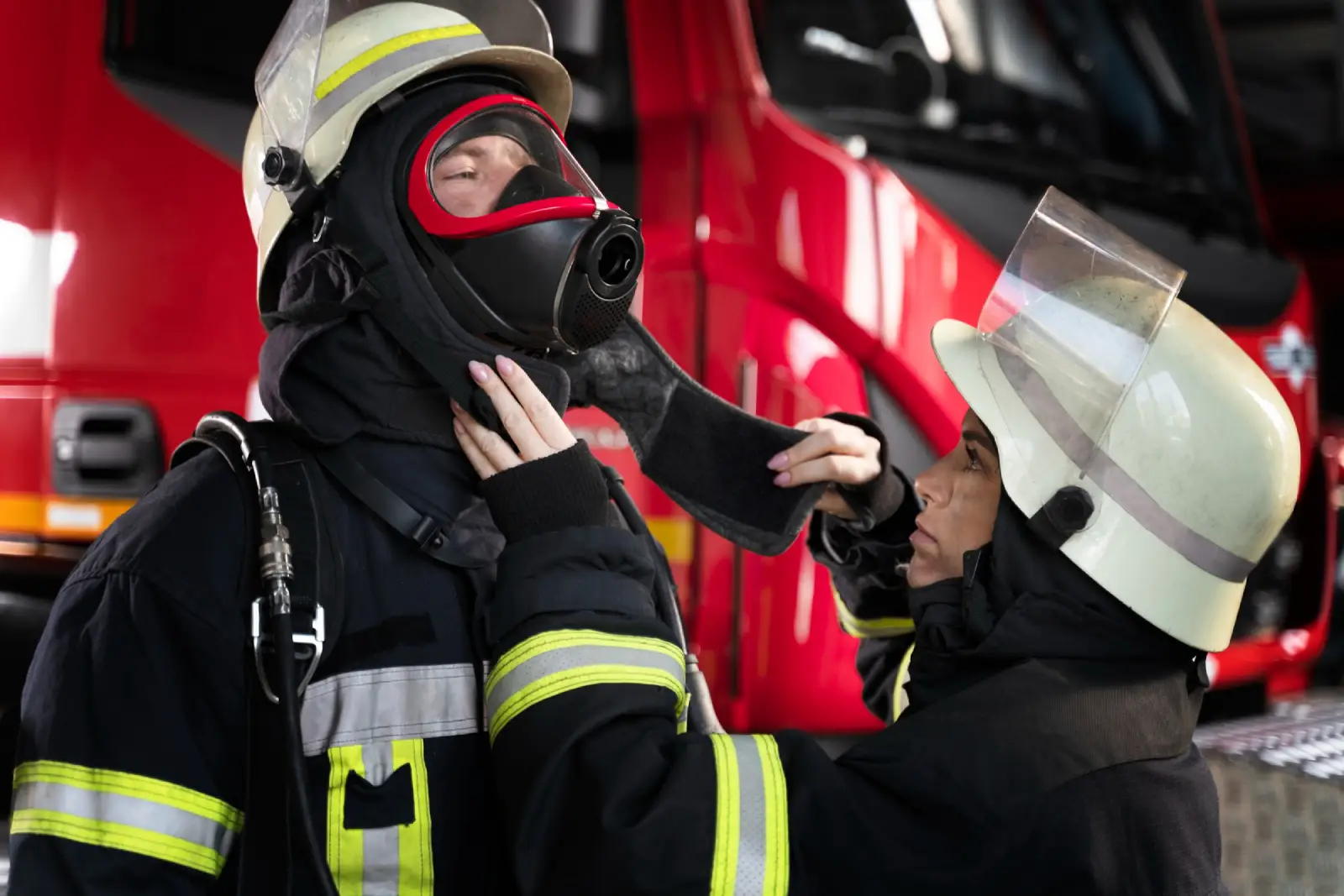
The Fire Safety training is designed to ensure that all healthcare and social care staff understand how to prevent, respond to, and manage fire-related emergencies in the workplace. It provides essential knowledge to help protect service users, staff, and property in care environments.
This course covers key topics such as fire prevention measures, identifying fire hazards, emergency evacuation procedures, use of fire extinguishers, and understanding fire safety equipment. It also highlights the importance of following workplace fire protocols and carrying out regular safety checks.
By completing this training, learners gain the confidence and awareness needed to act quickly and safely during a fire emergency while reducing risks and ensuring compliance with health and safety regulations.
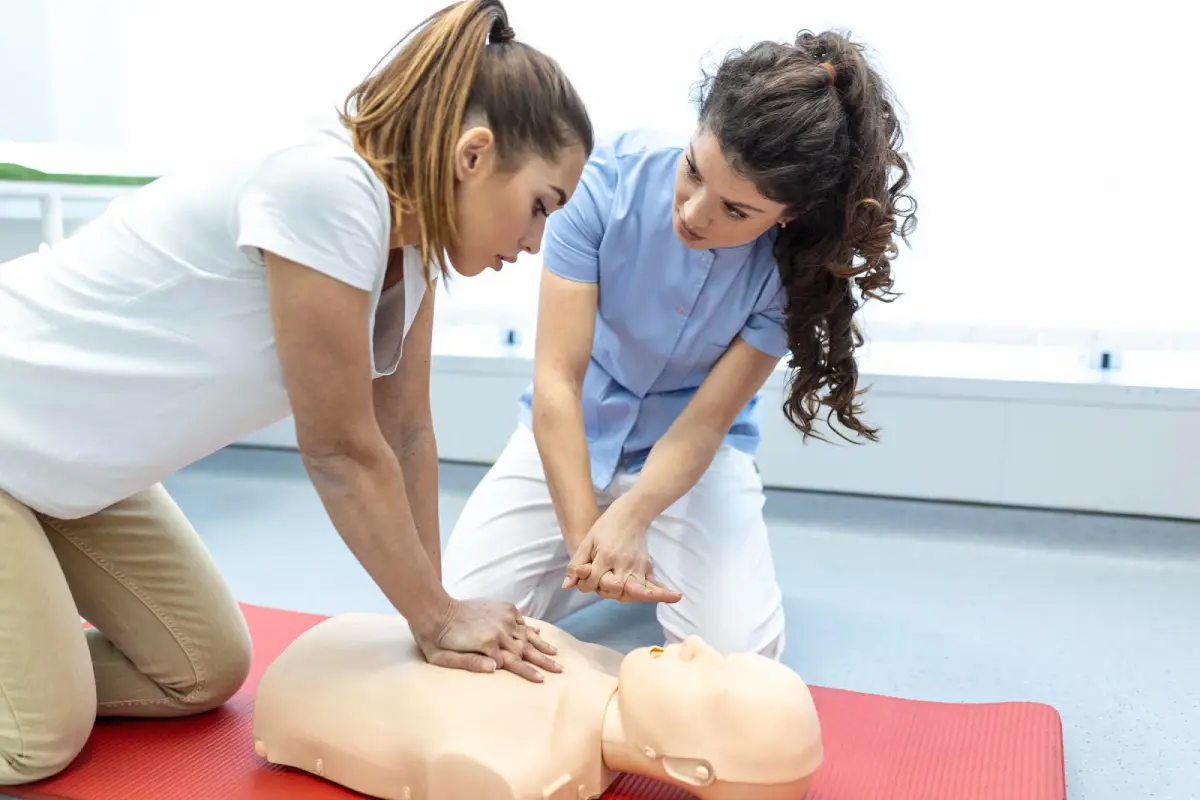
The Basic Life Support (BLS) training is designed to equip healthcare and social care professionals with essential lifesaving skills required during medical emergencies. It focuses on how to respond quickly and effectively when a person is not breathing or their heart has stopped.
This course covers key skills such as CPR (cardiopulmonary resuscitation), chest compressions, rescue breaths, use of an AED (Automated External Defibrillator), and managing unconscious patients. It also includes guidance on assessing emergency situations and maintaining safety while providing immediate care.
By completing this training, learners gain the confidence and competence to act swiftly in life-threatening situations, helping to improve patient survival outcomes and meet essential healthcare safety standards.
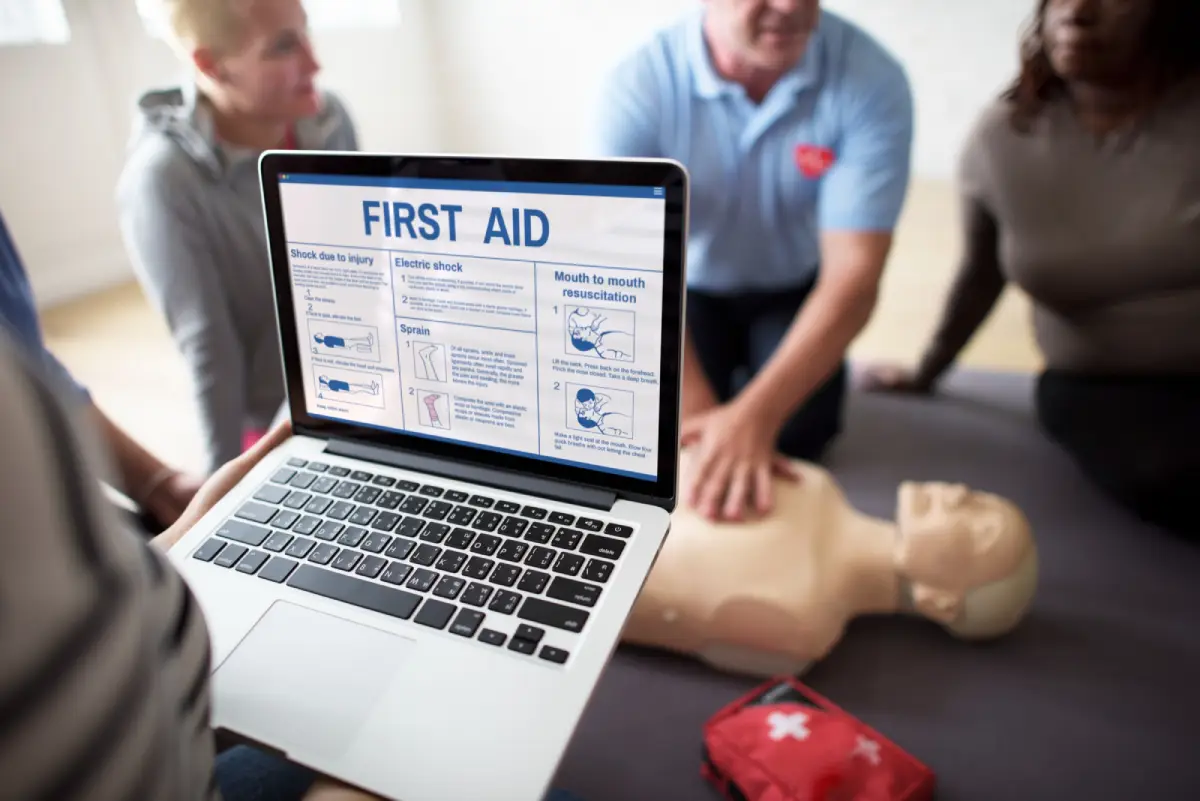
The First Aid Training course is designed to provide healthcare and social care professionals with essential skills to respond effectively to common medical emergencies. It prepares learners to act quickly, calmly, and safely when someone is injured or becomes suddenly unwell.
This training covers key areas such as treating minor injuries, managing bleeding, burns, fractures, choking, and unconscious casualties. It also includes guidance on assessing emergency situations, providing immediate care until professional medical help arrives, and ensuring the safety of both the patient and the responder.
By completing this course, learners gain the confidence to handle emergency situations effectively, reduce the severity of injuries, and potentially save lives in care and workplace environments.

The Risk Management, Reporting & Recording training is designed to help healthcare and social care professionals identify, assess, and manage risks effectively while ensuring accurate documentation in care settings. It plays a key role in delivering safe, high-quality, and person-centred care.
This course covers essential processes such as needs assessment, risk assessment, and support planning, enabling learners to understand individual requirements and develop appropriate care strategies. It also includes how to properly record information, report incidents, and maintain clear and accurate documentation in line with organisational and legal requirements.
By completing this training, learners develop the skills to make informed decisions, reduce potential risks, and ensure continuity of care through effective planning and professional reporting practices.

The Strength-Based and Trauma-Informed Approaches training is designed to help healthcare and social care professionals understand how to support individuals in a positive, respectful, and empowering way. It focuses on recognising a person’s strengths, abilities, and resilience rather than only their challenges or limitations.
This course also introduces trauma-informed care principles, helping learners understand how past trauma can affect behaviour, emotions, and wellbeing. It emphasises creating a safe, supportive, and non-judgemental environment where individuals feel understood, respected, and in control of their care.
By completing this training, learners develop the skills to deliver compassionate, person-centred support that promotes healing, confidence, independence, and long-term wellbeing.

The Understanding Forensic Pathway training is designed to provide healthcare and social care professionals with an overview of forensic care systems and how individuals progress through forensic services. It helps learners understand the complex needs of people who may have a history of offending behaviour alongside mental health, learning disabilities, or other support needs.
This course covers key areas such as the structure of the forensic pathway, risk management, safeguarding responsibilities, and the importance of multi-agency working. It also focuses on providing safe, structured, and person-centred support while balancing care, rehabilitation, and public protection.
By completing this training, learners gain the knowledge to support individuals within forensic settings in a safe, ethical, and professional manner while promoting recovery and reducing risk.

The Adult Safeguarding training is designed to help healthcare and social care professionals understand how to protect vulnerable adults from abuse, neglect, and harm. It ensures that learners are aware of their legal and professional responsibilities in keeping individuals safe within care settings.
This course covers the different types of abuse, signs and indicators of harm, and the correct procedures for reporting safeguarding concerns. It also highlights the importance of working in partnership with other professionals and following safeguarding policies and legislation to ensure timely and effective action.
By completing this training, learners gain the confidence to identify concerns early, respond appropriately, and contribute to creating a safe, respectful, and supportive environment for all adults in care.

The Children Safeguarding training is designed to equip healthcare and social care professionals with the knowledge and skills needed to protect children and young people from abuse, neglect, and harm. It ensures that staff understand their duty of care and legal responsibilities in safeguarding children effectively.
This course covers key topics such as recognising signs of abuse, understanding different types of harm, responding to concerns, and following correct reporting procedures. It also highlights the importance of early intervention and working collaboratively with safeguarding teams and other agencies to ensure the safety and wellbeing of children.
By completing this training, learners gain the confidence to identify risks, take appropriate action, and contribute to a safe and supportive environment where children are protected and their welfare is prioritised.

The Professional Boundaries training is designed to help healthcare and social care professionals understand the importance of maintaining clear, appropriate, and ethical boundaries in their working relationships with service users, families, and colleagues.
This course covers key areas such as maintaining professionalism, avoiding conflicts of interest, managing emotional involvement, and understanding the limits of a care worker’s role. It also highlights how clear boundaries help protect both service users and staff, ensuring safe, respectful, and consistent care delivery.
By completing this training, learners gain the confidence to build positive, professional relationships while maintaining appropriate boundaries and adhering to organisational policies and professional codes of conduct.

The Whistleblowing training is designed to help healthcare and social care professionals understand how to safely and confidently report concerns about unsafe, unethical, or poor practice in the workplace. It ensures staff are aware of their rights and responsibilities when raising concerns.
This course covers what whistleblowing is, when and how to report concerns, and the procedures for escalating issues within an organisation or to external authorities if necessary. It also highlights the importance of protecting individuals who raise concerns and ensuring they are not treated unfairly or discriminated against.
By completing this training, learners gain the confidence to speak up about wrongdoing, help improve standards of care, and contribute to a safe, transparent, and accountable working environment.

The Promoting Person-Centred Care training is designed to help healthcare and social care professionals understand how to deliver care that focuses on the individual’s unique needs, preferences, values, and choices. It ensures that the person receiving care is always at the centre of all decisions.
This course covers key principles of person-centred practice, including dignity, respect, independence, and active involvement in care planning. It also highlights the importance of listening to service users, encouraging participation, and tailoring support to meet individual goals and lifestyles.
By completing this training, learners develop the skills to provide compassionate, respectful, and personalised care that empowers individuals and improves their overall wellbeing and quality of life.

The Promoting Independence Approaches training is designed to help healthcare and social care professionals support individuals in maintaining and developing their independence in daily life. It focuses on enabling service users to do as much as possible for themselves while receiving the right level of support when needed.
This course covers key principles such as encouraging choice and control, building confidence, supporting daily living skills, and reducing dependency on care services where appropriate. It also highlights the importance of dignity, respect, and person-centred care when promoting independence.
By completing this training, learners gain the skills to empower individuals, enhance their abilities, and improve overall wellbeing by supporting a more independent and fulfilling lifestyle.

The Lone Working training is designed to ensure that healthcare and social care professionals understand how to work safely when they are working alone without direct supervision. It helps learners recognise risks and apply safe working practices to protect themselves and others.
This course covers key topics such as risk assessment for lone working situations, personal safety procedures, communication protocols, emergency response, and reporting concerns. It also highlights the importance of planning visits, maintaining regular check-ins, and following organisational lone working policies.
By completing this training, learners gain the confidence to manage risks effectively, stay safe in unsupervised environments, and ensure safe and professional practice while working alone.

The Complaints Handling and Awareness training is designed to help healthcare and social care professionals understand how to manage, respond to, and learn from complaints in a professional and constructive manner. It ensures that concerns are dealt with fairly, respectfully, and in line with organisational policies and legal requirements.
This course covers key areas such as the complaints procedure, how to receive and document complaints, effective communication with service users, and the importance of timely responses. It also highlights how complaints can be used as an opportunity to improve services and enhance the quality of care.
By completing this training, learners gain the confidence to handle complaints professionally, resolve issues effectively, and contribute to continuous improvement within care services.

The Confidentiality training is designed to help healthcare and social care professionals understand the importance of protecting personal and sensitive information. It ensures that all data relating to service users is handled responsibly, securely, and in line with legal and organisational requirements.
This course covers key principles such as data protection, sharing information on a need-to-know basis, maintaining secure records, and respecting individuals’ privacy rights. It also highlights when it is appropriate to break confidentiality, such as safeguarding concerns or legal obligations.
By completing this training, learners gain the knowledge to handle information ethically and securely, build trust with service users, and maintain professional standards in all care settings.

The Care Act 2014 training is designed to help healthcare and social care professionals understand their legal responsibilities when supporting adults in need of care and support. It provides a clear framework for delivering safe, fair, and person-centred care across all adult social care settings.
This course covers key principles of the Care Act, including wellbeing, prevention, assessment of needs, eligibility criteria, care planning, and safeguarding responsibilities. It also highlights the importance of promoting independence, protecting individuals from harm, and ensuring that care services are consistent and high quality.
By completing this training, learners gain a strong understanding of legal duties and best practices, enabling them to deliver compliant, ethical, and effective care in line with national standards.

The Learning Disabilities training is designed to help healthcare and social care professionals understand the needs of individuals with learning disabilities and how to provide appropriate, respectful, and person-centred support. It promotes awareness, inclusion, and equality in care settings.
This course covers key areas such as types of learning disabilities, communication strategies, daily living support, and promoting independence. It also highlights the importance of dignity, respect, and adapting care approaches to meet individual needs effectively.
By completing this training, learners gain the knowledge and skills to support individuals with learning disabilities in a way that enhances their confidence, wellbeing, and quality of life.

The Autism Awareness training is designed to help healthcare and social care professionals understand autism and how it can affect communication, behaviour, social interaction, and sensory processing. It promotes acceptance, understanding, and inclusive support for autistic individuals.
This course covers key topics such as characteristics of autism, sensory sensitivities, communication strategies, and person-centred approaches to care. It also highlights the importance of patience, routine, structure, and adapting environments to meet individual needs.
By completing this training, learners gain the knowledge and confidence to provide respectful, supportive, and inclusive care that enhances the wellbeing and independence of autistic individuals.

The Mental Health training is designed to help healthcare and social care professionals understand common mental health conditions and how to provide safe, supportive, and compassionate care to individuals experiencing mental health challenges.
This course covers key topics such as awareness of mental health conditions, recognising signs and symptoms, communication strategies, risk awareness, and providing appropriate support. It also highlights the importance of reducing stigma, promoting wellbeing, and encouraging early intervention and recovery-focused care.
By completing this training, learners gain the knowledge and confidence to support individuals effectively, promote positive mental wellbeing, and contribute to a safe and understanding care environment.

The Physical and Sensory Impairments training is designed to help healthcare and social care professionals understand the needs of individuals with physical disabilities, visual impairments, hearing loss, or other sensory challenges. It promotes inclusive, respectful, and person-centred care for all individuals.
This course covers key areas such as types of physical and sensory impairments, communication adaptations, mobility support, use of assistive devices, and creating accessible environments. It also highlights the importance of dignity, independence, and removing barriers that may affect daily living and participation.
By completing this training, learners gain the knowledge and skills to provide effective support that enhances independence, accessibility, and overall quality of life for individuals with physical and sensory impairments.

The Positive Behaviours & Non-Restrictive Practice training is designed to help healthcare and social care professionals understand how to support individuals who may display challenging behaviours in a safe, respectful, and person-centred way. It focuses on promoting positive behaviour support strategies while reducing the need for restrictive interventions.
This course covers key areas such as understanding the causes of behaviour, de-escalation techniques, communication strategies, and proactive support planning. It also highlights the importance of dignity, respect, and using least-restrictive approaches to ensure the safety and wellbeing of both service users and staff.
By completing this training, learners gain the skills to manage challenging situations effectively, promote positive outcomes, and provide compassionate care that prioritises independence and human rights.

The Manual Handling training is designed to ensure that healthcare and social care professionals understand how to move, lift, and support individuals safely in care settings. It focuses on preventing injury to both staff and service users while maintaining dignity and comfort during physical assistance.
This course covers key principles such as safe lifting techniques, correct posture, use of handling equipment (such as hoists and slings), risk assessment, and safe moving and positioning of individuals. It also highlights the importance of following legal guidelines and workplace procedures to reduce the risk of musculoskeletal injuries.
By completing this training, learners gain the practical skills and knowledge to carry out manual handling tasks safely, confidently, and in line with health and safety regulations.

The Administering Medication training is designed to ensure that healthcare and social care professionals understand how to safely handle, administer, and manage medications in line with legal, organisational, and clinical guidelines. It focuses on promoting patient safety and reducing medication errors.
This course covers key areas such as medication types, correct dosage, safe storage, documentation (MAR charts), medication administration procedures, side effects awareness, and reporting errors or concerns. It also highlights the importance of following the “rights” of medication administration (right person, medicine, dose, time, route, and documentation).
By completing this training, learners gain the knowledge and confidence to administer medication safely, accurately, and responsibly while maintaining high standards of care.

The Mental Capacity Act (MCA) training is designed to help healthcare and social care professionals understand how to support individuals who may lack the capacity to make certain decisions at specific times. It ensures that decisions are made legally, ethically, and in the best interests of the individual.
This course covers key principles of the Mental Capacity Act, including presumption of capacity, supporting individuals to make their own decisions, best interest decisions, and the least restrictive option. It also explains how to assess capacity, document decisions correctly, and involve relevant professionals and family members where appropriate.
By completing this training, learners gain the knowledge to make fair, lawful, and person-centred decisions while respecting individual rights, dignity, and independence.

The Deprivation of Liberty Safeguards (DoLS) training is designed to help healthcare and social care professionals understand how to lawfully protect individuals who lack capacity and may be deprived of their liberty in care settings. It ensures that any restrictions are applied appropriately, legally, and only when necessary to keep the person safe.
This course covers key areas such as the legal framework of DoLS, identifying deprivation of liberty, assessment and authorisation processes, best interest decisions, and the rights of individuals under the law. It also highlights the importance of promoting least restrictive practice while maintaining safety and dignity.
By completing this training, learners gain the knowledge to ensure compliance with legal requirements, protect individual rights, and provide safe, ethical, and person-centred care.

The Modern Slavery training is designed to help healthcare and social care professionals understand what modern slavery is and how to identify, respond to, and report concerns effectively. It ensures staff are aware of their responsibility to protect vulnerable individuals from exploitation and abuse.
This course covers key topics such as the different forms of modern slavery (including forced labour, human trafficking, and exploitation), common signs and indicators, risk factors, and safeguarding procedures. It also highlights the importance of reporting concerns promptly and working with relevant authorities to ensure victim safety and support.
By completing this training, learners gain the awareness and confidence to identify potential cases of modern slavery and take appropriate action to protect individuals and uphold safeguarding standards.

The Oliver McGowan Mandatory Training on Learning Disability and Autism is designed to improve understanding and awareness of learning disabilities and autism across health and social care services. It ensures that staff have the right skills and knowledge to provide safe, appropriate, and person-centred care.
This training covers key areas such as understanding autism and learning disabilities, communication needs, reasonable adjustments, sensory differences, and recognising individual support requirements. It also highlights the importance of reducing stigma, improving inclusion, and ensuring compliance with national training standards.
By completing this training, learners gain the confidence to deliver compassionate, informed, and respectful care that meets the needs of autistic individuals and people with learning disabilities.

The Dysphagia Training course is designed to help healthcare and social care professionals understand swallowing difficulties and how to provide safe and appropriate support to individuals affected by dysphagia. It focuses on reducing risks such as choking, aspiration, and malnutrition.
This course covers key areas including the causes and signs of dysphagia, safe feeding techniques, modified diets and fluid consistencies, positioning during meals, and emergency response procedures. It also highlights the importance of following care plans and working closely with speech and language therapists (SALT).
By completing this training, learners gain the knowledge and confidence to support individuals safely during mealtimes, ensuring dignity, comfort, and wellbeing while reducing health risks.

The Stroke Awareness training is designed to help healthcare and social care professionals understand what a stroke is, how to recognise the early signs, and how to respond quickly in an emergency. Early identification and immediate action can significantly improve recovery outcomes and save lives.
This course covers key topics such as the causes and types of stroke, warning signs (using tools like FAST: Face, Arms, Speech, Time), emergency response procedures, and post-stroke care support. It also highlights the importance of rehabilitation, communication support, and ongoing care for individuals recovering from a stroke.
By completing this training, learners gain the knowledge and confidence to recognise stroke symptoms early, act quickly in emergencies, and provide effective support during recovery.

The Cyber Security training is designed to help healthcare and social care professionals understand how to protect sensitive information, systems, and devices from cyber threats. It focuses on maintaining data security and ensuring safe use of digital tools in care environments.
This course covers key topics such as recognising cyber threats (phishing, malware, hacking), safe password practices, data protection principles, secure use of email and devices, and reporting security incidents. It also highlights the importance of GDPR compliance and protecting patient/service user information at all times.
By completing this training, learners gain the knowledge and awareness to reduce cyber risks, protect confidential data, and ensure safe and secure digital practice in healthcare settings

The Communication, Engagement & Dignity Training is designed to help healthcare and social care professionals develop effective communication skills while ensuring that every individual is treated with respect, compassion, and dignity. It focuses on building positive relationships with service users to improve the quality of care and support provided.
This course covers key areas such as verbal and non-verbal communication, active listening, overcoming communication barriers, and engaging with individuals with different needs. It also highlights the importance of maintaining dignity in all aspects of care, promoting respect, privacy, and person-centred support.
By completing this training, learners gain the skills to communicate effectively, build trust, and deliver care that values each individual’s dignity, preferences, and wellbeing.